



the abandoned obelisks
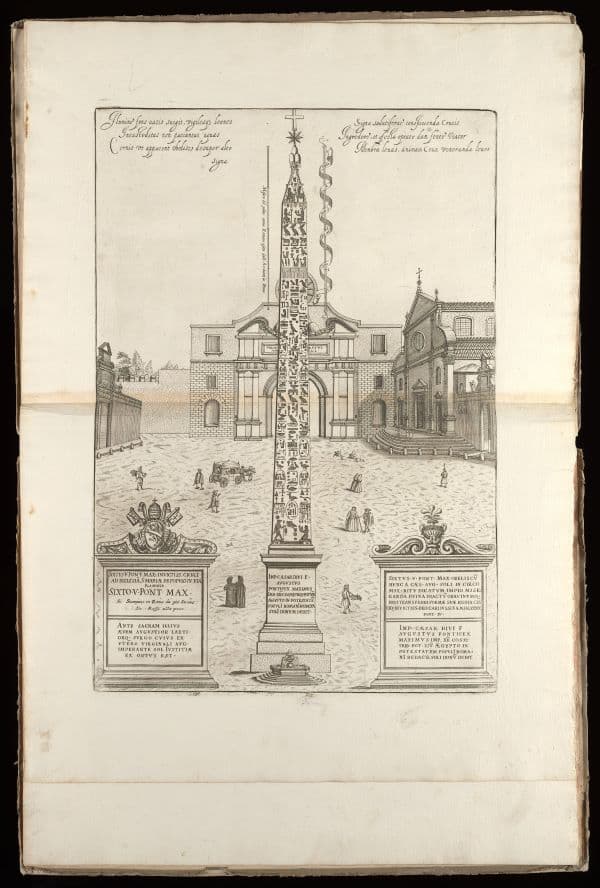
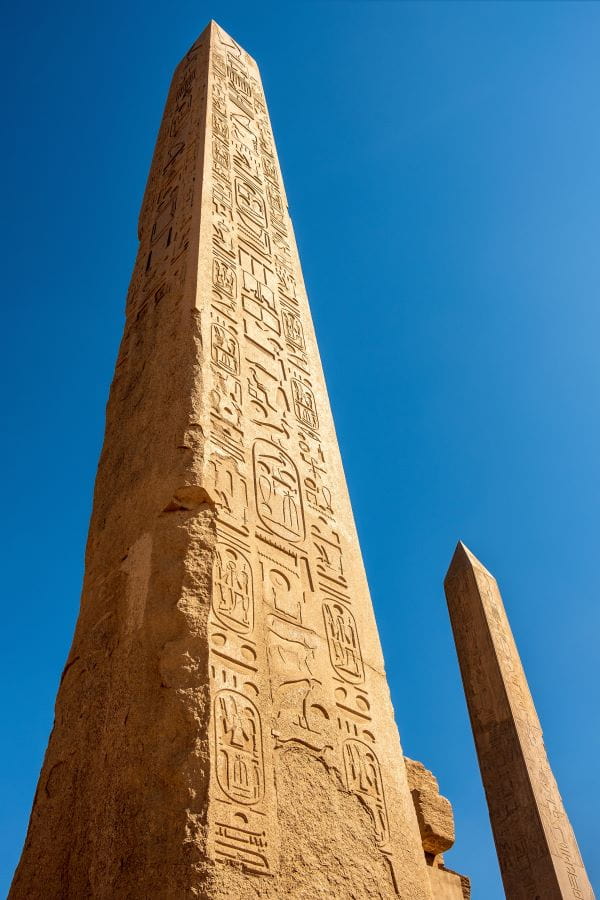
Egypt has long been the victim of one of the most extensive artefact Diasporas in history. Among the more coveted items pillaged were massive obelisks of granite and sandstone. All but four of the 21 extant standing obelisks were ‘acquired’ and relocated worldwide.
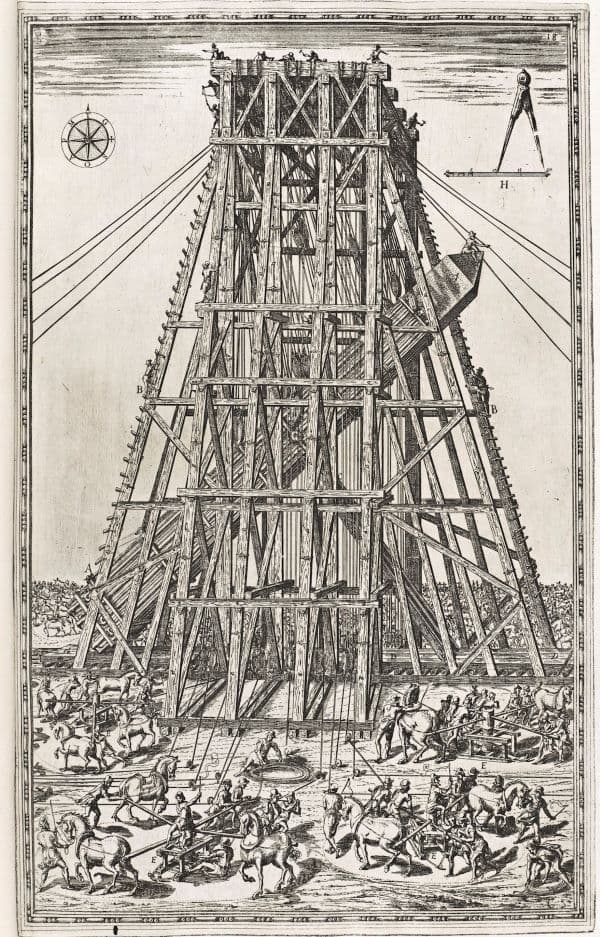
In one such acquisitive country, the ruling caste tasked engineers and thousands of labourers to clear and grade a route from the harbour, through fields and forests, to ultimately reach a distant city. Initially, this remarkable undertaking’s purpose was to facilitate the movement (via log rollers, beasts of burden, teams of people, and primitive mechanical means) of quantities of materiel for multiple building projects, and the construction of monuments.
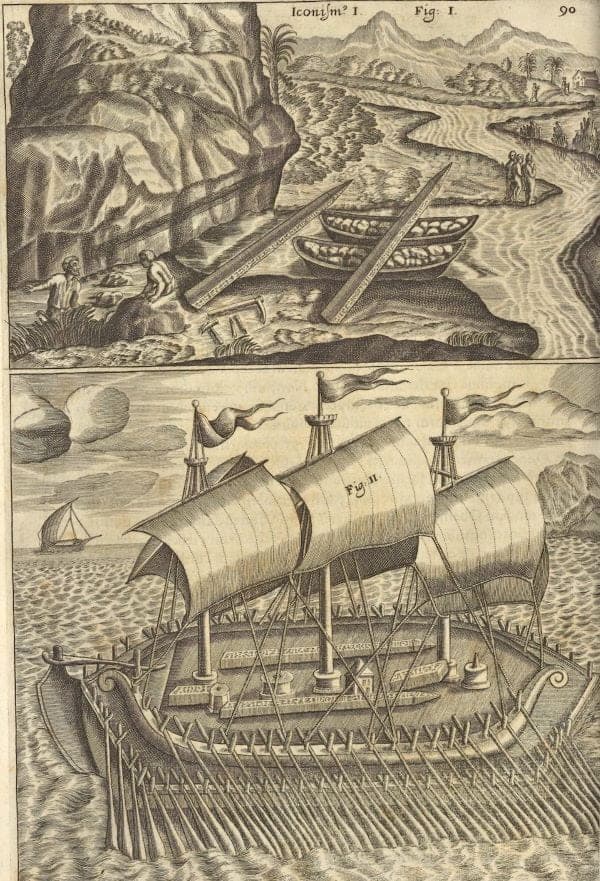
The ruler also ordered at least five obelisks be ‘sourced’ from Egypt. After a considerable ocean voyage, the obelisks reached the harbour. Within weeks, they were off-loaded from the ships and began their overland journey to the destination city.
Some months later, while being hauled along the inland transit route, a few obelisks were discovered to have sunk into the ground (likely while unattended during an overnight stop). The route had been heavily used for years. However, the obelisks’ concentrated masses revealed what surveyors and engineers could not possibly have detected: the presence of deep springs.
The relatively loamy subsoil above those springs rendered the surrounding area unstable and therefore impassable for the obelisks. They could not be lifted and turned round, and it was impossible to clear an alternate route to the destination. Therefore, perhaps to avoid embarrassing the ruler, the engineers covered the obelisks with dirt and abandoned them.
Over the centuries, a town has flourished near where the obelisks ended their long-ago journey. This has generated successive debris layers to the extent that modern-day ground level (in our primary zone of interest) is ca. 4 to 8 meters higher than in ancient times.
Today, the obelisks will likely be discovered through novel search strategies augmented by a fusion of old technologies and futuristic devices. Full-on excavations will be managed in league with faculty and students from the regional and national universities’ schools of engineering and archaeology, their respective governments, and supporting corporate sponsors.
Great subject for a giant screen film, at least two documentary films, and at least four AR specials.